Bodyweight Training: Practical Moves That Deliver Results
By:Author:Menletics Editorial
Updated on:September 30, 2026

- Does Bodyweight Training Actually Work?
- Why This Beats the Harder Alternative
- The Quantity Question: How Much, How Often
- The Practical Question: How Do You Actually Stick With It
- Comparison: Bodyweight Moves Versus Weighted Training
- The Forbidden Promise, Answered Honestly
- Levers That Change the Result
- How Long Until You See Results?
- Your First Four Weeks
- What Stalls Progress
- Why Menletics Works for This
- Final Thoughts
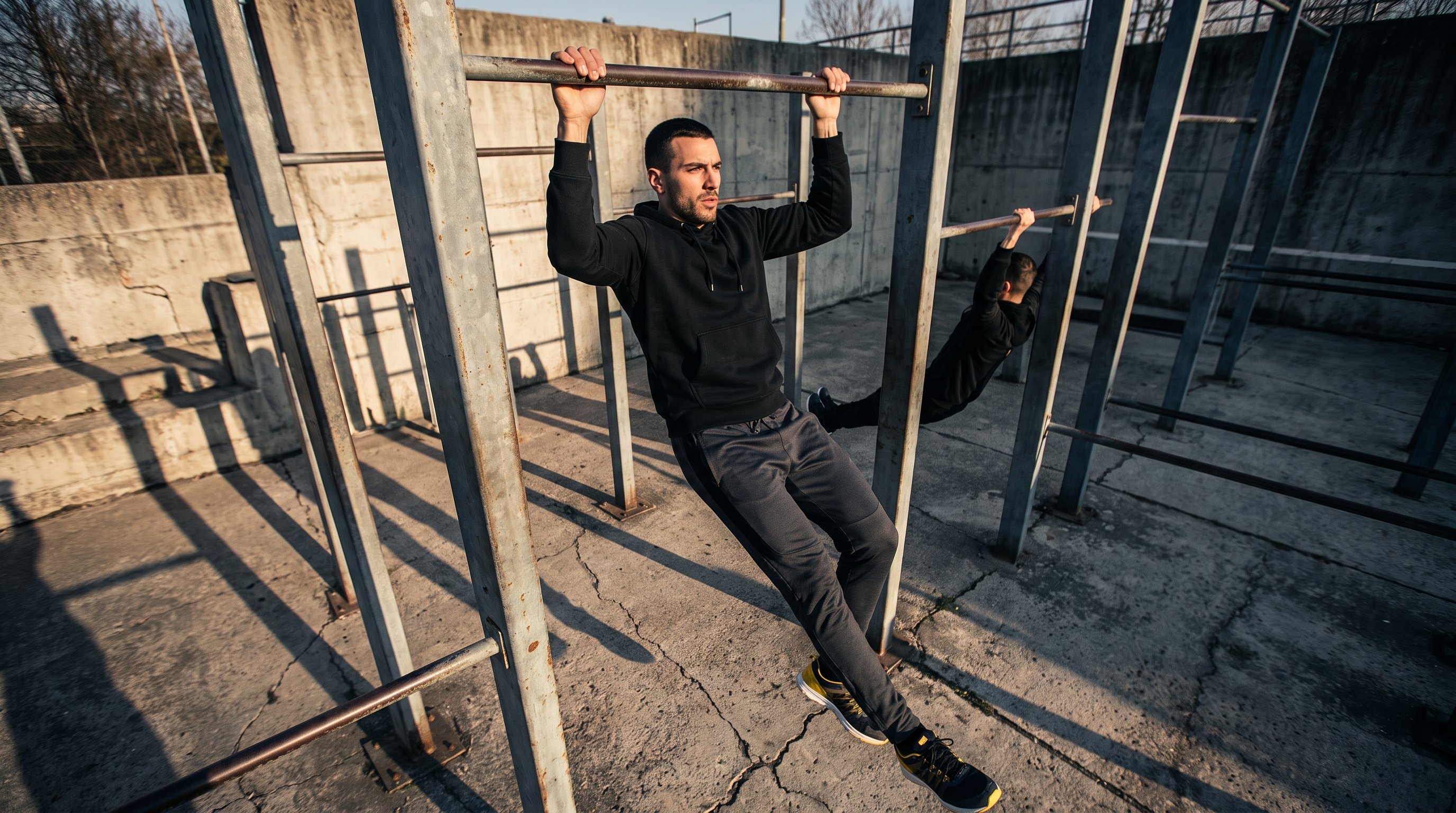
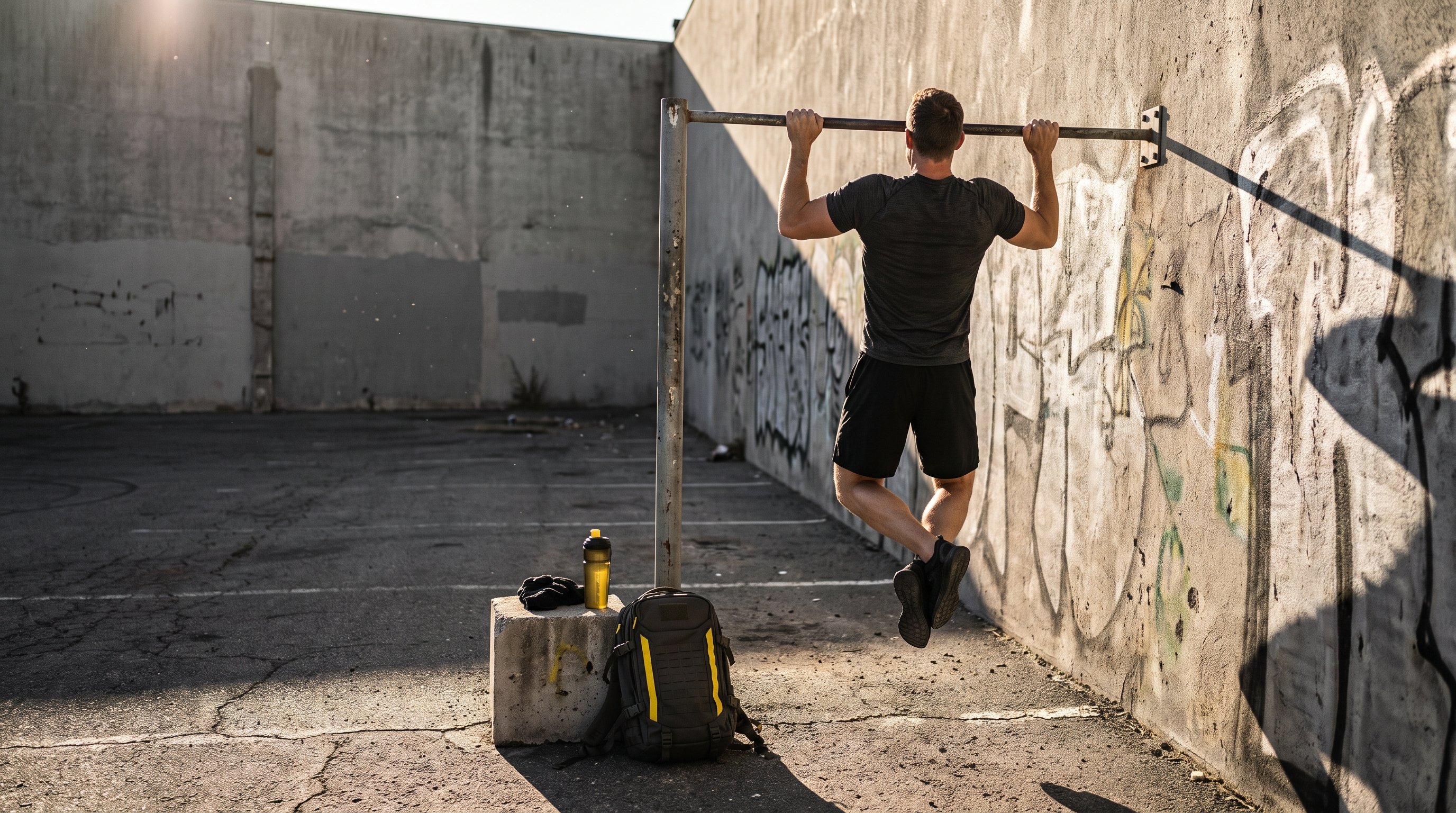
No gym, no kit, no membership fee - just your own weight against gravity, done consistently. That's the entire premise, and it works because muscles respond to tension and load, not to the brand of equipment creating it.
A press-up, a squat or a lunge all place your own mass under load through a joint's full range of motion. Add reps, slow the tempo, or change the angle, and the demand goes up - no barbell required.
This guide covers whether the method actually works, how much you need to do, what stalls people, a four-week starting structure and honest answers to the questions men ask most.
Does Bodyweight Training Actually Work?
Muscle grows when it's asked to do more than it's used to - more reps, slower reps, or a harder variation of the same move.
The Arithmetic Behind It
When you increase the number of reps you can perform in a move, you're asking the same muscles to do more total work in the same movement pattern. Add that kind of progression across squats, lunges and rows and the total workload climbs steadily, even though no dumbbell ever entered the room.
The honest caveat: progress slows as you get stronger, because the easy gains come first and harder ones take longer to arrive.
That's not a flaw specific to training with just your own weight - it's true of any strength method, and it's simply how adaptation works.
Why This Beats the Harder Alternative
The 'harder alternative' isn't a different exercise - it's the gym membership you have to drive to, the class you have to book, the equipment you have to wait for.
Every one of those steps is a chance to skip the session, and skipped sessions are where most fitness plans quietly die.
A floor, a wall and five free minutes remove almost every excuse - you can start before you've talked yourself out of it.
Adherence beats intensity every time, because the best workout is always the one that actually gets done.
The Quantity Question: How Much, How Often
There's no single number that fits every man, every schedule and every starting point - but there are sensible ranges to work from.
Short, frequent sessions tend to hold up better against a busy week than one long session you keep postponing.
Find Your Own Number
Start with a session length and frequency you can repeat without dread, then adjust reps and difficulty as the current level starts to feel easy.
| Starting Point | Session Length | Frequency |
|---|---|---|
Just starting | 5-10 minutes | 3-4 days a week |
Building consistency | 10-15 minutes | 4-5 days a week |
Established routine | 15-25 minutes | 5-6 days a week |
The Practical Question: How Do You Actually Stick With It
Knowing the moves is the easy part - the real challenge is having a plan ready before motivation shows up, because motivation is unreliable and a plan isn't.
That means knowing exactly what today's session looks like before you've even rolled out of bed.
This is where a structured, progressive plan does the thinking for you - Menletics builds a Military Calisthenics Workout Plan tailored to your fitness and goals, so you open the app and the next move is already decided.
Pair that with step, water and weight tracking in one place, and the guesswork about whether you're actually improving disappears.
Comparison: Bodyweight Moves Versus Weighted Training
| Factor | Bodyweight Moves | Weighted Training |
|---|---|---|
Equipment needed | None | Weights, machines or bands |
Space required | A few square metres | Home gym or gym membership |
Cost to start | Free | Ongoing membership or gear cost |
Travel friendly | Fully portable | Limited without access to kit |
Progression method | Reps, tempo, leverage | Added external load |
The Forbidden Promise, Answered Honestly
No exercise burns fat from one specific area - not crunches for the stomach, not press-ups for the chest.
The body decides where it stores and releases fat, and no amount of targeted reps overrides that.
There's also no overnight version of this - strength and visible change build through repeated sessions over time, not a single standout workout.
The honest answer is unglamorous: consistent effort across the whole body, paired with how you eat, is what actually moves the needle.
Levers That Change the Result
Some variables matter more than others - these three carry most of the weight.
What Actually Moves the Needle
- Consistency over intensity - four modest sessions a week beat one brutal session followed by three missed days
- Progressive difficulty - adding a rep, slowing the tempo or trying a harder variation once the current one feels easy
- What's on the plate - training creates the demand for change, but food is what actually supplies or blocks it
How Long Until You See Results?
This is where most people quit - somewhere between week two and week four, when the novelty has worn off but the visible change hasn't shown up yet.
That gap is normal, not a sign the method has failed.
Strength tends to show up before appearance does - moves that felt hard in week one start to feel manageable, even if the mirror looks the same.
Stay vague about a date and focused on the session in front of you, because that's the part you actually control.
Your First Four Weeks
The order matters more than the exact numbers - build the habit first, then build the difficulty.
| Week | Focus | Goal |
|---|---|---|
Week 1 | Learn the moves, keep it short | Show up, not exhaust yourself |
Week 2 | Same moves, add a few reps | Build the habit into the week |
Week 3 | Slow the tempo down | Increase difficulty without new moves |
Week 4 | Introduce one harder variation | Confirm the base is solid |
What Stalls Progress
Doing Too Much Too Soon
Jumping straight to the hardest variation just leads to soreness and skipped sessions. Start easier than feels necessary and let the difficulty build week by week.
Never Increasing the Difficulty
Doing the same reps at the same level for months means the body stops adapting. Add a rep, slow the tempo, or try a harder version once the current one feels easy.
Ignoring What's on the Plate
Training creates the demand for change, but food supplies the raw material for it. A meal plan built around food you already like makes that part far easier to hold.
No Way to See the Trend
Without tracking, small weekly improvements are invisible and easy to dismiss. Keeping steps, water and weight in one place turns quiet progress into something you can actually see.
Treating Motivation As the Plan
Motivation fades within days for almost everyone, which is normal and not a personal failing. A set schedule with the next session already decided removes the need to feel motivated at all.
Why Menletics Works for This
Everything above - progression, consistency, tracking, nutrition - is easier to hold when it's all in one place instead of scattered across memory and guesswork.
Menletics brings a tailored Military Calisthenics Workout Plan, over 1000 easy-to-follow recipes, and trackers for steps, water, weight and fasting into a single daily routine.
Add in challenges designed to keep you consistent and guides written by nutrition experts, personal trainers and psychologists, and the plan does the deciding so you can focus on the doing.
Final Thoughts
Building strength without equipment isn't a shortcut or a compromise - it's a method that removes friction, and friction is what kills most fitness plans before results show up.
Start small, add difficulty gradually, and let a plan like Menletics carry the decisions on the days willpower runs short.
FAQ
No - your own weight against gravity is enough load to build strength, especially when you're starting out. Equipment becomes more useful later, once basic variations stop feeling challenging.
Weights add external load, but your own bodyweight already provides plenty of resistance through full ranges of motion. The real difference is convenience, not a ceiling on results.
Five minutes is a starting point, not a minimum requirement - even shorter sessions done consistently beat long ones that get skipped. The barrier is usually the decision-making, not the time itself.
This is the exact point where most people stop, usually before any visible change has shown up. Menletics tackles this with challenges and guided progression built to keep the routine feeling fresh instead of repetitive.
Share this post