Foods For Fat Loss That Actually Fit A Real Diet
By:Author:Menletics Editorial
Updated on:October 28, 2026

- What a Fat-Loss-Friendly Day Looks Like
- How Much Protein and Fibre to Aim For
- Why Substitution Beats Strict Restriction
- Making These Food Choices Work on a Busy Week
- Who This Way of Eating Suits
- When Changes From Eating This Way Show Up
- Pairing Foods for Fat Loss With Menletics
- Choosing Your Fat Loss Foods Starting Today
There is no food that burns fat on its own. What foods for fat loss actually do is make it easier to eat fewer calories than you burn, without feeling like you are white-knuckling through every meal.
The mechanism is simple: high-protein, high-fibre, lower-calorie-density foods fill you up on fewer calories, so the deficit happens without constant hunger pushing back against it.
This guide covers a sample day, how much and how often to eat, why the easier route beats the stricter one, and how to fit it into a week that does not stop for anyone.
What a Fat-Loss-Friendly Day Looks Like
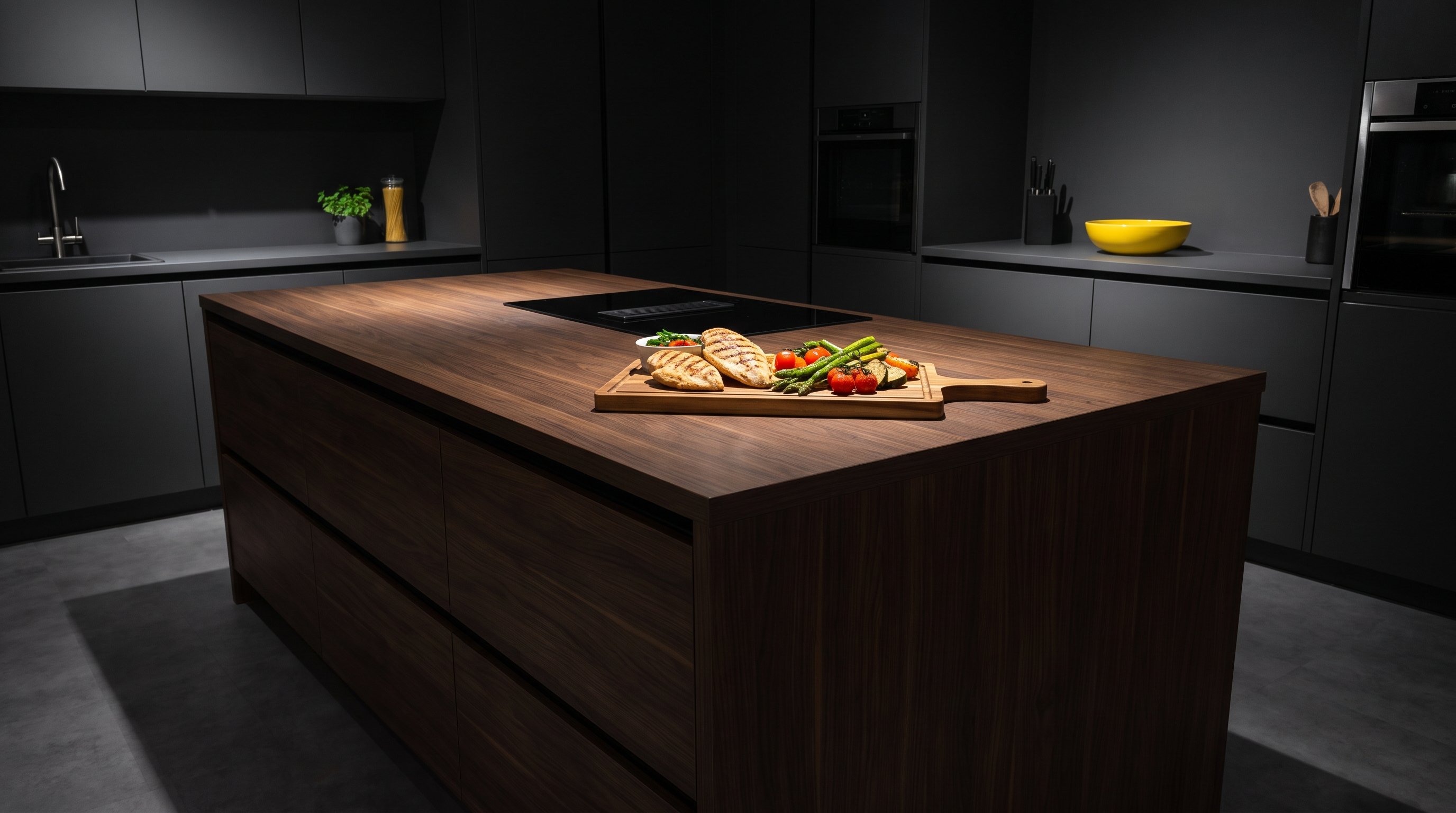
Forget complicated meal plans with ingredients you will never buy twice. Here is one ordinary day built around foods that keep you full without piling on calories.
A Sample Day
- Breakfast - eggs with wholegrain toast and a piece of fruit
- Lunch - grilled chicken, rice, and a large portion of mixed vegetables
- Snack - greek yoghurt with a handful of berries
- Dinner - fish or lean beef with potatoes and a side salad
- Evening - a piece of fruit or a small handful of nuts if still hungry
Nothing here is exotic and nothing is off limits elsewhere in the week.
How Much Protein and Fibre to Aim For
Two Numbers Worth Tracking
Protein and fibre do most of the heavy lifting for staying full on fewer calories. Everything else can flex around them.
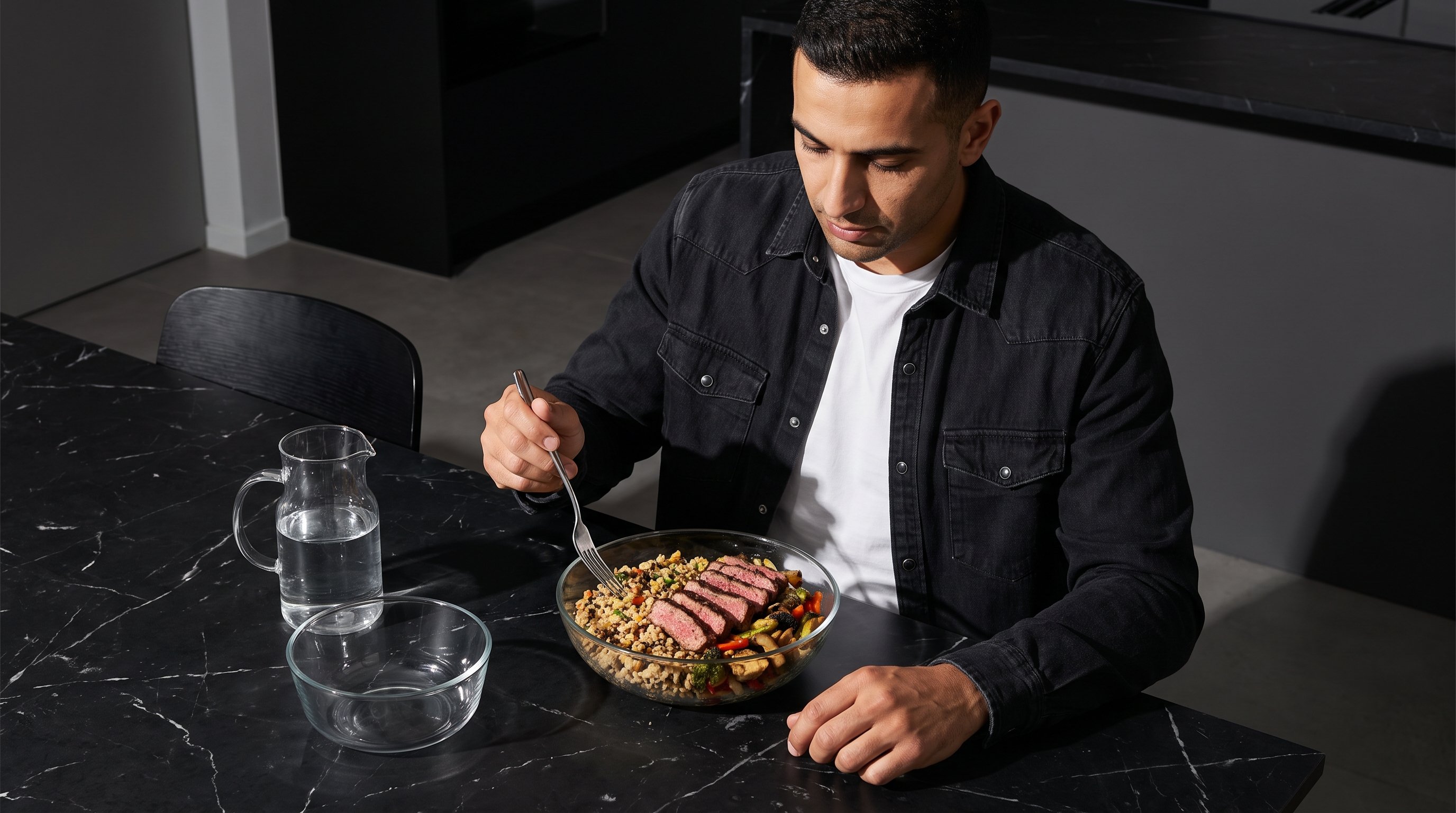
The table below is a starting point, not a rulebook - adjust portions to your size and appetite.
| Food Type | Portion Guide | How Often |
|---|---|---|
| Lean meat or fish | 1 palm-sized serving | 2 to 3 times daily |
| Vegetables | 1 to 2 fists per meal | Every meal |
| Wholegrain carbs | 1 cupped handful | 1 to 2 times daily |
| Greek yoghurt or eggs | 1 serving | Daily, as snack or breakfast |
| Fruit | 1 to 2 pieces | Daily |
Why Substitution Beats Strict Restriction
The harder route is cutting out entire food groups and counting every gram. It can work for a week or two, then real life interferes and the whole plan collapses.
The easier route swaps high-calorie-density foods for similar ones that fill you up on less - rice for extra vegetables, a sugary drink for sparkling water, crisps for popcorn.

Substitution keeps meals familiar, which is exactly why it survives weeks that restriction does not.
A deficit held for months beats a stricter one abandoned after a fortnight, and the maths only works if you are still doing it later in the year.
Making These Food Choices Work on a Busy Week
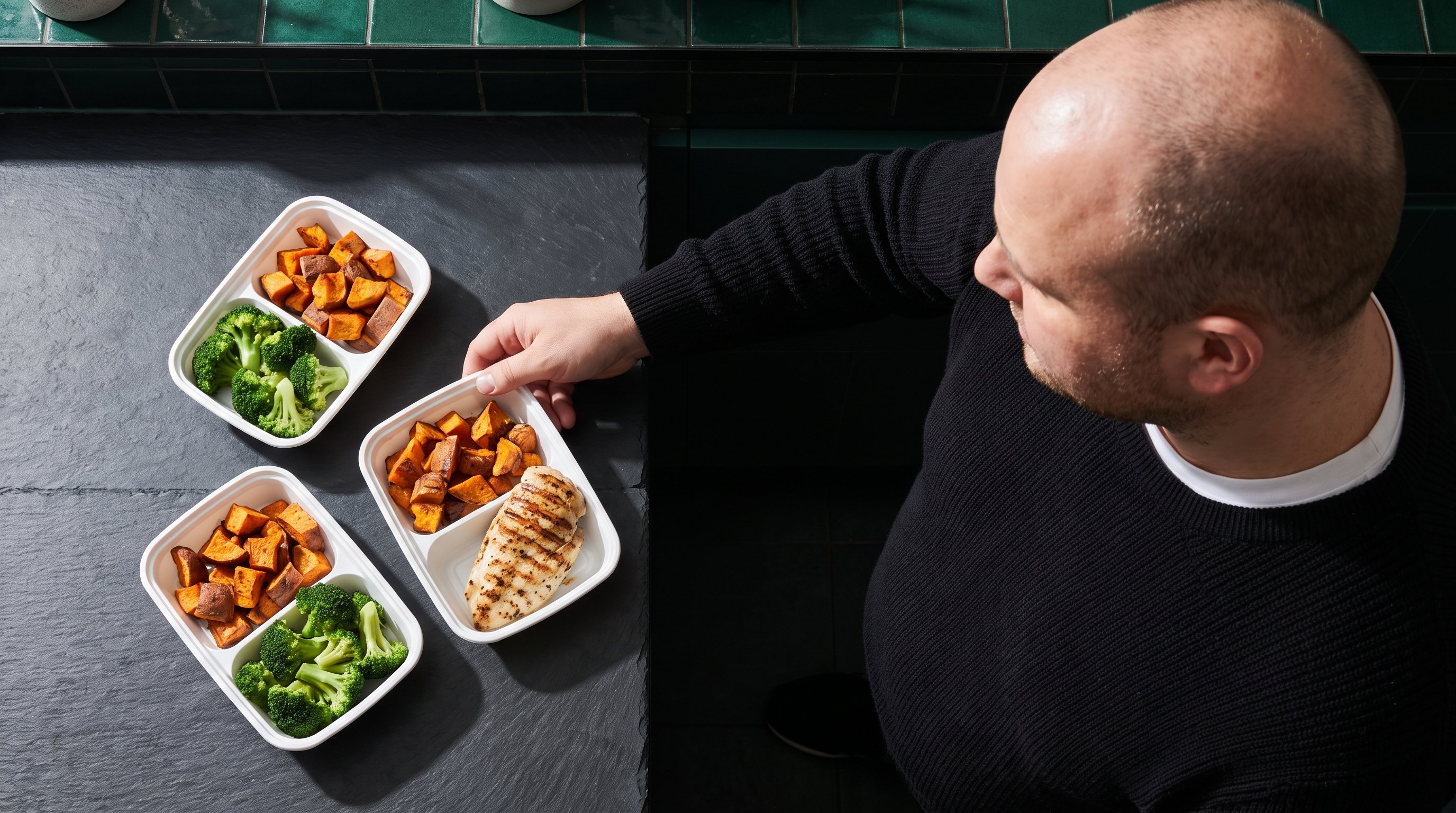
Meal prep on a Sunday sounds great until Tuesday arrives and nothing is prepped. The more realistic approach is picking two or three meals you can make on repeat with minimal thought.
Keep a short list of go-to proteins, carbs and vegetables you actually like, then rotate them instead of hunting for new recipes every night.
A meal plan built around food you already like removes the decision fatigue that derails most attempts by Wednesday, and features like step counters and water trackers help you see the whole day in one place instead of guessing.
Menletics bundles this kind of meal planning with tracking tools, so the food side of fat loss stops being a separate project from the training side.
Who This Way of Eating Suits
The Complete Beginner
Start with one change at a time - add a protein source to breakfast, or swap one snack for fruit. Trying to overhaul every meal at once is how most people quit by day four.
The Busy Worker
Lean on repeatable meals and batch-cooked proteins rather than fresh cooking every night. A few minutes of planning on a quiet evening saves scrambling later in the week.
The Older Reader
Protein needs do not disappear with age, and keeping portions of lean meat, fish or eggs at most meals helps maintain muscle alongside any fat loss effort.
The Social Eater
Nobody needs to turn down every dinner out. Eating well most of the week leaves room for the occasional meal that is not part of any plan at all.
When Changes From Eating This Way Show Up
Be wary of anyone promising a fast transformation from swapping a few foods. Appetite and energy levels tend to settle first, before anything else is noticeable.
The scale and how clothes fit move on their own schedule, and that schedule is different for everyone.
Most people give up around the point where nothing visible has happened yet, which is usually the point right before it does.
Pairing Foods for Fat Loss With Menletics
Picking the right foods is one half of the equation - the other half is knowing you are actually in a deficit and staying consistent with it.
Menletics pairs a meal plan built from recipes you can actually repeat with trackers for weight, water and steps, so you are not guessing whether the week added up.
The metabolism-boosting tools and nutrition guides sit alongside a progressive bodyweight workout plan, which means the eating side and the training side finally pull in the same direction instead of working against each other.

Get Your Personalized Plan
Burn Fat With Military Workouts
Choosing Your Fat Loss Foods Starting Today
Pick one meal today and swap it for something higher in protein or fibre - that single change is more useful than any perfect plan written on paper and never followed.
Menletics can take the guesswork out of what comes next, with meals and tracking built around a way of eating that is actually meant to last.
FAQ
There isn't one, because fat loss comes from a sustained calorie deficit rather than any single ingredient. Foods high in protein and fibre simply make that deficit easier to hold onto.
No, cutting carbs entirely is not required for fat loss to happen. What matters more is the total calories eaten across the day, and wholegrain carbs can fit comfortably within that.
Pick two or three simple meals you can make in minutes and repeat them through the week. Menletics includes recipes designed to be quick, so eating well does not depend on spare time you do not have.
Early changes often come from water and digestion settling rather than fat itself, so a plateau afterward is normal rather than a sign something has gone wrong. Staying with the plan through that stretch is usually what separates people who keep going from those who stop.
Share this post