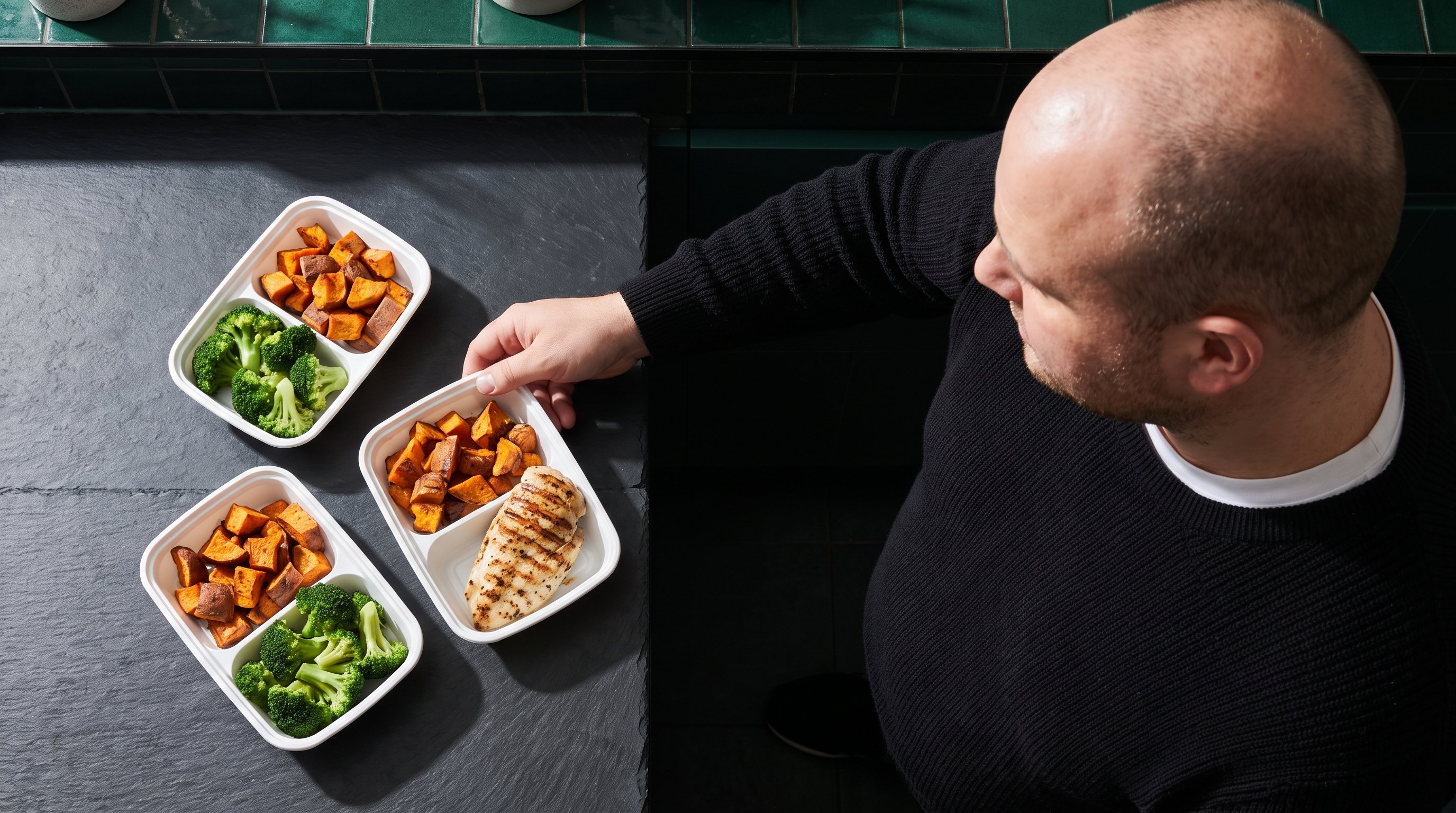
How to Start Eating Clean: Daily Choices That Beat Strict Diets
By:Author:Menletics Editorial
Updated on:October 28, 2026
- Does Starting to Eat Clean Actually Change Anything
- Clean Eating Versus Strict Dieting: The Real Decision
- Why Small Food Swaps Beat a Locked Meal Plan
- Who Eating Clean Suits and How to Adjust It
- Fitting Clean Eating Into a Working Week
- The Myth of a Perfectly Clean Diet
- Making Clean Eating Easier With Menletics
- Turning One Swap Into a Lasting Habit
Starting to eat clean means swapping a few processed, low-effort choices for whole foods you already recognise, one meal at a time, instead of rewriting your entire diet overnight.
The mechanism is simple: foods closer to their natural state tend to carry more volume and fewer added calories per bite, which makes it easier to feel full without overeating.
This article covers whether eating clean actually works, how it compares with strict dieting, who it suits, and how to make the switch stick past week one.
Does Starting to Eat Clean Actually Change Anything
The idea behind eating clean is not magic, it is arithmetic: whole foods like vegetables, lean proteins and whole grains are usually less calorie-dense than fried, sugary or heavily processed versions of the same meal.
Swap a creamy pasta sauce for a tomato-based one, and you cut a chunk of fat calories without changing the portion size on your plate.
Add a side of vegetables instead of extra bread, and you add volume and fibre without piling on calories, which helps you stop eating sooner because you feel satisfied.
None of this requires giving up entire food groups or hitting a strict macro target every day, it just means more of your plate comes from food close to its original form.
Clean Eating Versus Strict Dieting: The Real Decision
The actual choice most people face is not clean eating versus junk food, it is clean eating versus a rigid diet plan with banned foods, fixed meal windows and constant calorie counting.
One approach bends around your week, the other demands your week bend around it.

| Factor | Clean Eating | Strict Dieting |
|---|---|---|
| Flexibility | Swap ingredients freely | Fixed menu daily |
| Social meals | Easy to adapt | Often skipped |
| Setup time | Minutes per meal | Hours of planning |
| Mental load | Low, habit-based | High, rule-based |
| Long-term fit | Built for repetition | Built for short bursts |
Strict diets can produce fast early wins, but they ask for a kind of discipline that is hard to hold for months at a time.
Why Small Food Swaps Beat a Locked Meal Plan
A locked meal plan works only as long as you follow it exactly, and real weeks rarely cooperate: work runs late, plans change, someone brings cake to the office.
Small swaps survive those disruptions because they are not tied to one rigid script.
If your habit is simply choosing grilled over fried, or water over a sugary drink, that habit travels with you into a work lunch, a weekend trip, or a chaotic Tuesday.
Adherence beats intensity over time, and a handful of repeatable swaps you barely have to think about will outlast a strict plan you have to fight to follow every single day.
Who Eating Clean Suits and How to Adjust It
If You Are Just Starting Out
Pick one meal a day to clean up first, usually breakfast or lunch, rather than trying to overhaul every meal at once.
If Your Week Is Packed
Lean on simple swaps that take no extra prep, like choosing a tin of beans over a packet of crisps, so the habit survives busy days.

If You Are Training Regularly
Prioritise protein at each meal alongside the swaps, since that supports recovery from training without needing a separate eating plan.
If You Eat Out Often
Look for the same swap logic on any menu, grilled instead of fried, a side salad instead of fries, so the habit holds even when someone else is cooking.
Fitting Clean Eating Into a Working Week
Eating clean does not need a Sunday of meal prep or a cupboard clear-out, it needs a short list of go-to swaps you can repeat without thinking.
Keep a few whole-food staples on hand, eggs, oats, frozen vegetables, tinned fish, so the easy choice is also the fastest one when you are short on time.
Menletics includes a meal plan built around food you already like, with recipes designed to fit a normal week rather than demand you restructure it.
Pairing that with simple tracking of water, steps and weight gives you a clearer picture of whether your daily swaps are actually adding up.
The Myth of a Perfectly Clean Diet
There is no food, clean or otherwise, that burns fat from one body part or fixes your health on its own, and any diet promising that is overselling.
The body does not choose where it draws energy from based on what you eat, so there is no clean meal that targets a stomach, arms or anywhere else specifically.
What actually matters is the pattern over weeks and months, not any single clean meal or one cheat dinner.
Treat clean eating as a direction, not a finish line, and the pressure to be perfect every day mostly disappears.
Making Clean Eating Easier With Menletics
Figuring out what counts as a clean swap for every meal, every day, is where most people lose momentum, not the eating itself.
Menletics takes that guesswork out of the picture with a meal plan built from recipes you can actually cook, plus guides on nutrition and daily habits written to keep choices simple rather than complicated.
It also includes metabolism-focused tips and food choices so your daily swaps are working toward something, not just happening at random.
Add in challenges designed to keep you consistent, and the habit has a better chance of lasting past the first motivated week.
Get Your Personalized Plan
Burn Fat With Military Workouts
Turning One Swap Into a Lasting Habit
Pick one meal today and make one swap, nothing more, and let that be the whole plan for now.
Repeat it tomorrow, add a second swap next week, and the habit grows without ever feeling like a diet you are gritting your teeth through.
Menletics can carry the planning side of this, from recipes to tracking, so the only thing left for you to do is show up and eat.
FAQ
It can support a calorie deficit because whole foods tend to be less calorie-dense and more filling per portion, which makes overeating less likely. It is not automatic, the total amount you eat still matters.
Not if it is built from swaps rather than bans, since nothing is permanently off the table, you are just choosing the less processed version more often. That flexibility is what separates it from a rigid meal plan.
Simple swaps like tinned beans, frozen vegetables and eggs are usually cheap and need almost no prep, so cost and time are rarely the real barrier. Menletics includes recipes built around easy, accessible ingredients to help keep both in check.
Most people quit because they tried to change everything at once instead of building one habit at a time. Starting with a single daily swap and adding more gradually tends to last far longer than an overnight overhaul.
Share this post