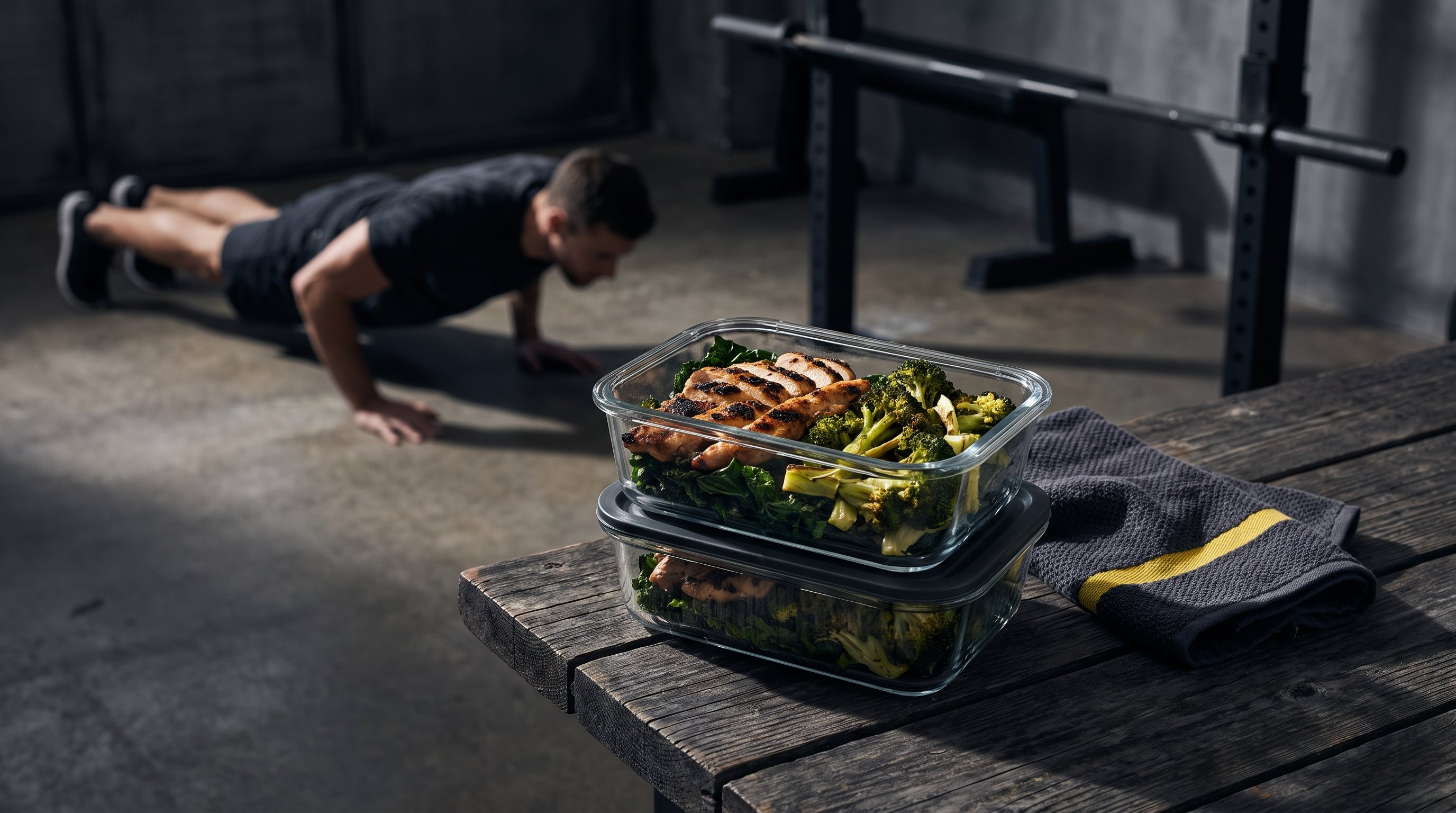
Foods For Fat Loss That Actually Fit A Real Diet
By:Author:Menletics Editorial
Updated on:September 30, 2026
- Does It Work?
- Why This Beats the Harder Alternative
- The Quantity Question
- The Practical Question
- Comparison: High-Fill Foods vs Low-Fill Foods
- The Forbidden Promise, Answered Honestly
- Levers That Change the Result
- How Long Until You See Results?
- Your First Four Weeks
- What Stalls Progress
- Why Menletics Works for This
- Final Thoughts
No single food burns fat. But some foods make it far easier to hold the calorie deficit that fat loss actually depends on - and that difference is the whole game.
The mechanism is simple: protein and fibre fill you up on fewer calories, which means less fighting your own appetite for weeks on end. That is the entire mechanism behind 'foods for fat loss' - not magic, just less hunger per calorie spent.
This guide covers what the maths actually says, how much of these foods you need, where a meal plan fits in, and the points where most people quit before they see anything.
Does It Work?
Fat loss happens when you eat fewer calories than you burn, over time. Food choice does not change that equation - it changes how easy the equation is to stick to.
Take two 400-calorie meals: one is 100g of chicken breast with rice and vegetables, the other is a pastry and a sugary drink. Both are 400 calories, but the chicken meal has protein and fibre that slow digestion, so you feel fuller for longer on the same energy intake.
Over a week, that difference in fullness is the difference between hitting your calorie target without a fight and white-knuckling it through snack cravings at 4pm. The deficit is what causes fat loss - the food choice is what decides whether you can actually hold that deficit long enough for it to matter.
Why This Beats the Harder Alternative
The harder alternative is eating whatever you want and trying to out-will your hunger through sheer discipline. That approach asks you to fight your own biology every single day, which is exhausting and rarely lasts.
Swapping in foods that fill you up on fewer calories does not require more willpower - it requires less. You are not restricting harder, you are choosing meals that make restriction feel smaller.
That is the adherence argument in a sentence: the plan that is easiest to repeat on a bad week beats the plan that is theoretically perfect but only survives a good one.
The Quantity Question
There is no single number that applies to everyone, because body size, activity level, and current calorie intake all change what a deficit looks like.
What stays consistent is the principle: build meals around a protein source, add fibrous vegetables, and let those two things take up most of the plate before carbs and fats fill the rest.
Find Your Own Number
Start by tracking what you already eat for a few days without changing anything - that is your baseline. From there, small consistent swaps toward higher-protein, higher-fibre meals matter more than any single target number.
| Food | Role On The Plate | Swap Out For This |
|---|---|---|
Chicken breast | Protein base | Fried takeaway meat |
Eggs | Protein, cheap | Pastries, cereal bars |
Leafy greens | Fibre, volume | Chips, crisps |
Oats | Slow carbs | Sugary cereal |
Greek yoghurt | Protein snack | Ice cream, sweets |
The Practical Question
Knowing which foods help is one thing. Building a week of meals around them, on repeat, without spending every evening planning, is the actual challenge most men run into.
This is where a meal plan built around food you already like earns its place - a good meal planning service includes over 1000 recipes designed so you are not guessing what to cook after a long day.
Pair that with metabolism-boosting tips and daily food choices tailored for you, and the decision-making that usually kills a diet by Thursday gets removed from the picture entirely.
Comparison: High-Fill Foods vs Low-Fill Foods
The real decision most men are weighing is not 'diet A vs diet B' - it's whether a meal will hold their hunger for three hours or thirty minutes.
| Meal Example | Fullness Per Calorie | Typical Use |
|---|---|---|
Chicken and rice bowl | High, protein and fibre | Lunch or dinner staple |
Sugary cereal bowl | Low, spikes then crashes | Fast breakfast, quick hunger |
Eggs and vegetables | High, protein dense | Breakfast or light dinner |
White bread sandwich | Moderate, fades quickly | On-the-go lunch |
Greek yoghurt and berries | High, low calorie cost | Snack between meals |
The Forbidden Promise, Answered Honestly
No food burns fat from one specific area of the body. The body does not let you choose where fat comes from, no matter what a meal or a workout targets.
There is also no food or meal that delivers overnight results, and nothing here cures, treats, or reverses anything - fat loss is not a medical outcome you eat your way into by tomorrow.
The real answer is unglamorous: a sustained calorie deficit, held over time, using foods that make that deficit easier to tolerate. That is the whole mechanism, and it is enough.
Levers That Change the Result
Some choices move the needle far more than others. These three matter most, in order.
The Levers That Actually Matter
- Protein at every meal - it fills you up on fewer calories than carbs or fat alone, which makes the whole deficit easier to hold day after day.
- Fibrous vegetables on the plate - they add volume and chewing time without adding many calories, so meals feel bigger than they are.
- Consistency across weeks, not days - one perfect day changes nothing on its own; the pattern repeated for weeks is what shows up on the scale.
How Long Until You See Results?
This is where most men quit - not because the approach failed, but because they expected to see something in the mirror within days.
Change in body composition takes longer than change in habits does, and the habits always come first: fuller meals, steadier energy, fewer cravings by the afternoon.
Stay vague about the calendar and focused on the pattern - the men who keep going past the point where nothing seems to be happening are the ones still standing when something finally does.
Your First Four Weeks
Order matters here more than perfection does. Build the habit before you tighten the numbers.

| Week | Main Focus |
|---|---|
Week 1 | Track current eating, no changes yet |
Week 2 | Add protein to every meal |
Week 3 | Add fibrous vegetables, cut one processed swap |
Week 4 | Repeat the pattern, adjust portions slightly |
What Stalls Progress
Skipping Meals to Save Calories
This usually backfires as hunger later in the day, leading to bigger, less controlled eating. Spread the same calories across steady meals instead.
No Protein at Breakfast
A carb-only start to the day fades fast and leaves you hungry by mid-morning. Add eggs or yoghurt to the first meal and the rest of the day gets easier.
Guessing Portions Instead of Checking Them
Small daily overestimates add up over a month without you noticing. A rough check with a scale or cup measure once in a while resets the picture.
Treating One Bad Day As a Failed Week
One meal off plan changes nothing on its own - it's the pattern across weeks that counts. Get back to the next meal, not next Monday.
No Plan for the Week Ahead
Without a rough idea of what you're eating, convenience wins and convenience is rarely high in protein or fibre. A short list or a plan sorted in advance removes that decision entirely.
Why Menletics Works for This
Menletics does not sell a magic food list - it removes the daily decision-making that usually breaks a diet before the first month is out.
With a meal plan built around food you already like, water and weight tracking kept in one place, and challenges designed to keep you consistent, the meal planning service makes the deficit easier to hold rather than harder to survive.
Final Thoughts
Foods for fat loss are not about one ingredient doing the work - they're about building meals that keep you full enough to hold a deficit without a daily fight.
Start with one change this week: protein at every meal. Menletics can carry the planning from there.
FAQ
No food burns fat directly - protein and fibre-rich foods like chicken, eggs, yoghurt and leafy vegetables help by keeping you fuller on fewer calories. That fullness makes the calorie deficit easier to hold over weeks.
No - carbs are not the enemy here, and cutting them out entirely is not required. The point is filling the plate with protein and fibre first, letting carbs and fats fill in around that.
It doesn't need to be from scratch every time - simple, repeatable meals beat complicated ones you'll abandon by week two. A short recipe list you rotate weekly removes most of the daily decision fatigue.
That drop-off is normal and it's exactly where most plans fail, not because the food choices were wrong. Menletics pairs the meal plan with tracking and challenges so there's still a structure to lean on when motivation alone isn't enough.
Share this post