Pre Workout Meals That Actually Fuel Short Sessions
By:Author:Menletics Editorial
Updated on:September 30, 2026
- Does Eating Before Training Actually Work?
- Why This Beats the Harder Alternative
- The Quantity Question: How Much, How Often
- The Practical Question: What Do You Actually Cook
- Comparison: Eating Before vs Training Fasted
- The Forbidden Promise, Answered Honestly
- Levers That Change the Result
- How Long Until You See Results?
- Your First Four Weeks
- What Stalls Progress
- Why Menletics Works for This
- Final Thoughts
A pre workout meal has one job: get enough fuel into you so a short, hard session doesn't feel like wading through mud. That's it. No food is magic, no timing window is sacred, and no single meal decides how the whole week goes.
The mechanism is simple. Your body runs on glycogen - stored carbohydrate - and when that runs low, effort feels harder and form slips first. Eating something with carbs and a bit of protein before you train tops that tank back up.
This guide covers whether pre workout meals actually work, how much and how often to eat, a simple comparison of common choices, and what tends to derail people in the first month.
Does Eating Before Training Actually Work?
The mechanism isn't complicated. Muscles pull energy from stored carbohydrate first during effort, and a meal an hour or two beforehand tops up that store so you're not running on empty.
Here's the honest arithmetic. A short calisthenics session might run 5 to 20 minutes - that's not long enough to fully deplete a well-fed body, but if the last real meal was 6 or more hours ago, you're starting the session with less in the tank.
So the real question isn't whether pre workout meals work in theory. It's whether skipping one makes a 5-minute session harder to finish with good form, and for most people running low on fuel, it does.
Why This Beats the Harder Alternative
The harder alternative is training fasted every single session and hoping willpower fills the gap. It sometimes works for a day or two, then energy dips and the session gets skipped altogether.
A small pre workout meal is easier to stick with because it removes a decision point. You eat something familiar, you train, you move on - no negotiating with yourself over whether you have the energy.
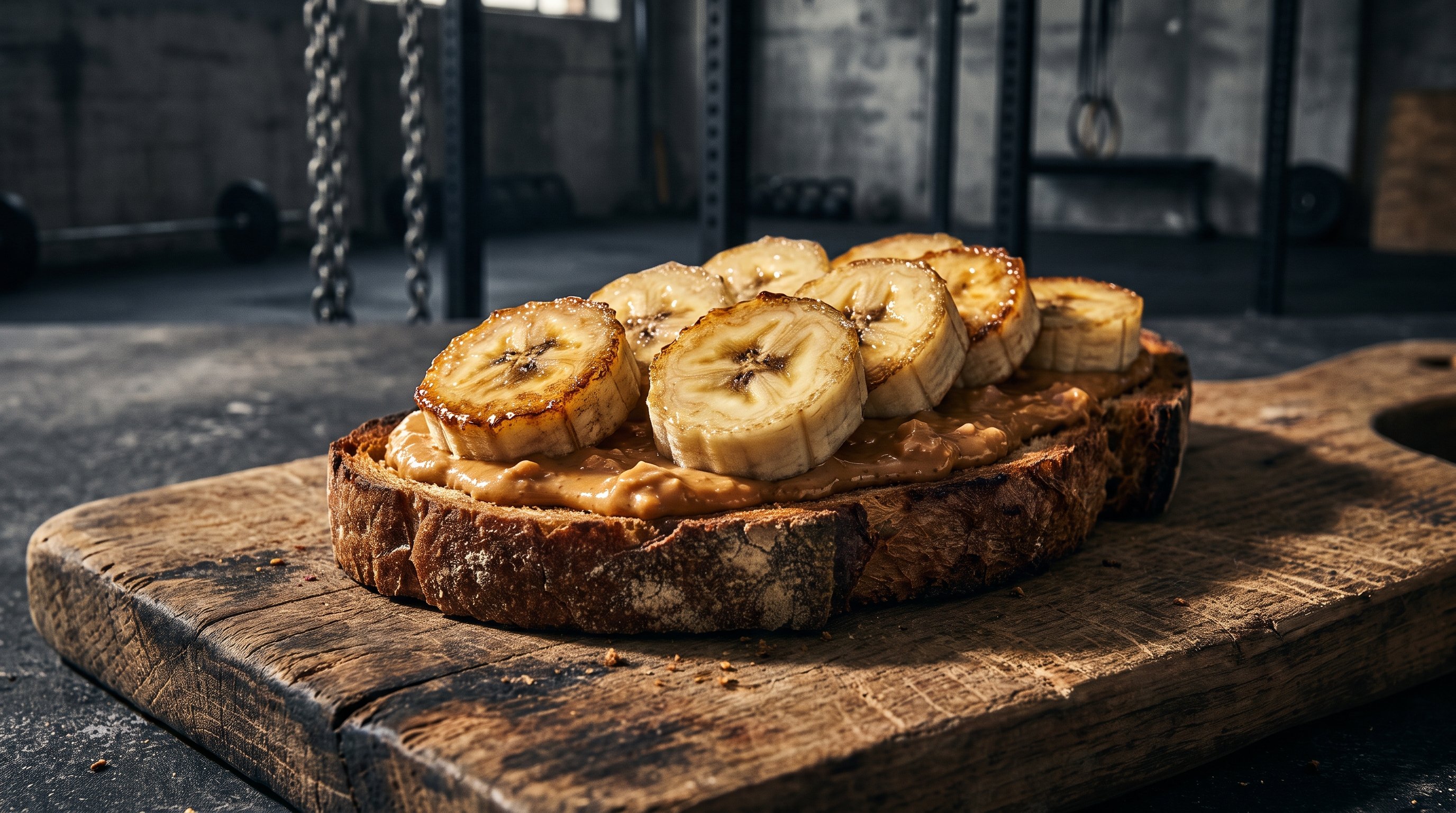
Adherence beats intensity almost every time. A session you actually complete because you fuelled it properly outperforms a theoretically harder one you skipped because you felt drained.
The Quantity Question: How Much, How Often
For a short session, you don't need a plate the size of a dinner. A small amount of carbohydrate with a little protein, eaten roughly 30 to 90 minutes out, covers most needs.
Bigger sessions or earlier-morning training might call for a bit more, eaten a bit earlier, so digestion has time to settle before you move.
Find Your Own Number
Start small, notice how you feel mid-session, and adjust up or down from there - your own stomach is the best guide, not a fixed rule.
| Timing | Example Meal |
|---|---|
30 minutes before | Banana, small yoghurt |
60 minutes before | Toast, egg, coffee |
90 minutes before | Oats, fruit, milk |
Early morning, rushed | Small piece of fruit |
The Practical Question: What Do You Actually Cook
Knowing the theory is one thing. Standing in the kitchen at 6am with five minutes to eat before a session is another.
This is where a meal plan built around food you already like earns its keep - no guessing, no recalculating, just a plan you follow.
Menletics includes a customized meal plan with over 1000 easy-to-follow recipes, so pre workout eating becomes something you glance at rather than plan from scratch every day.
Comparison: Eating Before vs Training Fasted
Both approaches have a place, but for a short, intense session most people find one noticeably easier to sustain than the other.
| Factor | Eating Before | Training Fasted |
|---|---|---|
Energy for session | Steadier throughout | Can dip mid-way |
Ease of habit | Simple, repeatable | Depends on tolerance |
Best for | Morning or early sessions | Later, well-fed days |
Digestive comfort | Needs right timing | No digestion to manage |
Consistency over weeks | Usually easier | Harder for most people |
The Forbidden Promise, Answered Honestly
No pre workout meal targets a body area, and none of them work overnight. Your body doesn't let you choose where energy gets used or where change shows up first.
There's no meal that cures poor energy long-term or eliminates the need for consistent training. What a good pre workout meal actually does is smaller and more honest: it makes the next session easier to complete.
That's the real answer. Fuel the session, show up consistently, and let the accumulation of completed sessions do the work over time.
Levers That Change the Result
Some choices matter more than others for pre workout eating. Here are the three that carry the most weight, in order.
What Actually Moves the Needle
- Timing over content - eating something 30 to 90 minutes out matters more than which exact food you choose.
- Consistency over perfection - the same simple meal every session beats an elaborate one you only manage occasionally.
- Portion matching effort - a 5-minute session needs less fuel than a longer one, so match the meal to the session.
How Long Until You See Results?
This is where a lot of people quit - expecting a single well-timed meal to change how they feel by the next session. It doesn't work that fast, and that's fine.
What tends to happen is more gradual: sessions start to feel a little steadier, energy dips become less frequent, and the habit of eating before training becomes automatic rather than something you think about.
Give it time to become routine before judging whether it's working. A few weeks of consistent fuelling tells you far more than any single session does.
Your First Four Weeks
Order matters more than the exact numbers here. Build the habit before you fine-tune it.

| Week | Focus |
|---|---|
Week 1 | Eat something small before every session |
Week 2 | Adjust timing to 30-90 minutes before |
Week 3 | Notice energy, tweak portion size |
Week 4 | Settle on a repeatable go-to meal |
What Stalls Progress
Eating Too Close to Training
A big meal 10 minutes before you move can leave you sluggish - shift it back to at least 30 minutes out.
Skipping Food Entirely on Busy Mornings
Keep something tiny on hand - a piece of fruit takes seconds and beats training on empty.
Overcomplicating the Meal
A complicated pre workout ritual is easy to abandon - pick one simple option and repeat it.
Ignoring How You Actually Feel
If a food sits heavy or a portion feels wrong, adjust it rather than forcing the same meal out of habit.
Why Menletics Works for This
Fuelling a short session is only half the picture - the other half is having a workout plan and meal plan that fit together without extra thinking.
Menletics pairs a progressive Military Calisthenics Workout Plan with a customized meal plan, so what you eat before training and what you do during it are built to work as one system rather than two separate guesses.
Final Thoughts
Pre workout meals aren't complicated once you strip away the noise - eat something small, time it roughly 30 to 90 minutes ahead, and repeat it until it's automatic.
If you want that fuelling built straight into a workout and meal plan that already fit together, Menletics is built to make that the easy default rather than another thing to figure out.
FAQ
Regular food covers most people's needs for a short session, since the goal is topping up glycogen, not anything exotic. Plain carbs with a little protein does the job.
Only if the meal is too large or too close to the session - a small meal 30 to 90 minutes out tends to steady energy rather than dull it. Adjust size and timing until it feels right for you.
Keep something tiny and portable on hand, like a piece of fruit, so the barrier is never 'I don't have time'. Even a small bite beats starting the session on empty.
That's usually a routine problem, not a food problem - pairing meals with a set plan removes the daily decision-making that causes drop-off. Menletics keeps the meal plan and workout plan together so there's less to decide each day.
Share this post